Can Summers Wear Black?
One of the worst things social media has done for seasonal colour analysis is convince people that discovering their season means throwing away half their wardrobe.
But… what if I can’t wear black anymore?
And honestly? I think that’s the wrong question. In fact, I think this is where one of the biggest misconceptions about what seasonal colour analysis is actually trying to do.
To me, colour analysis has never been about permission. It’s information. That’s a very important distinction.
The Missing Distinction
Throughout this blog you’ll notice I almost never use phrases like your best colours. Not because they’re wrong, but because I think they’re misleading. Best is subjective. Instead, I prefer talking about harmony.
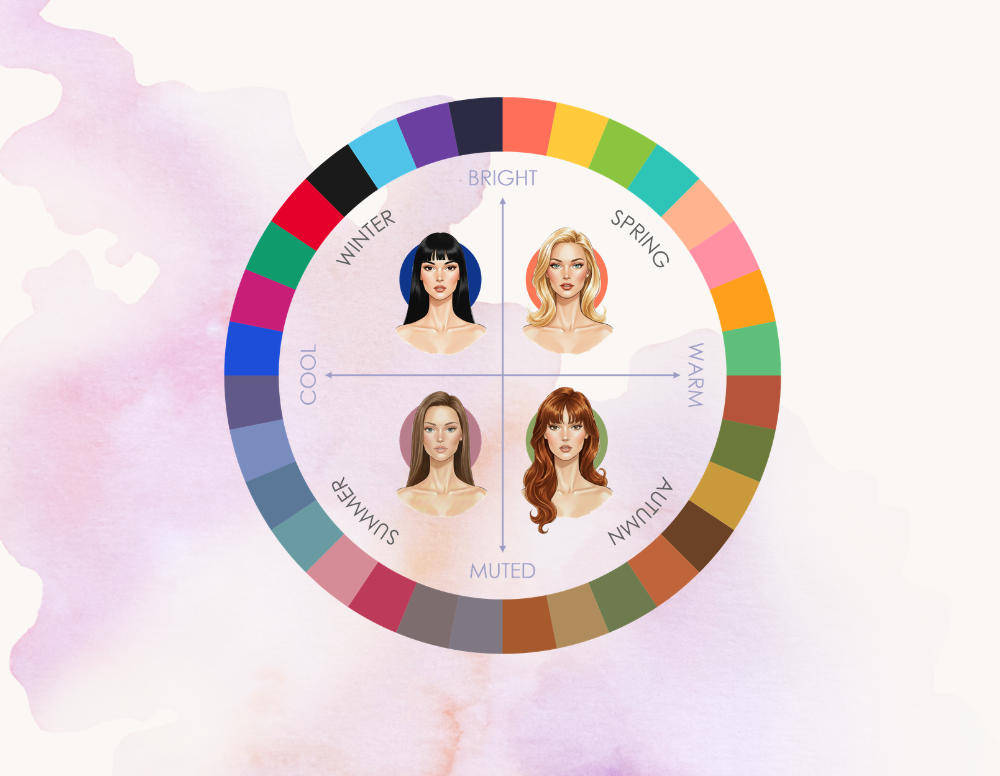
Seasonal colour analysis doesn’t tell you what looks the most fashionable, the coolest, or the most interesting. It simply tells you which colours naturally harmonise with your own colouring.
Harmony is just one styling tool.
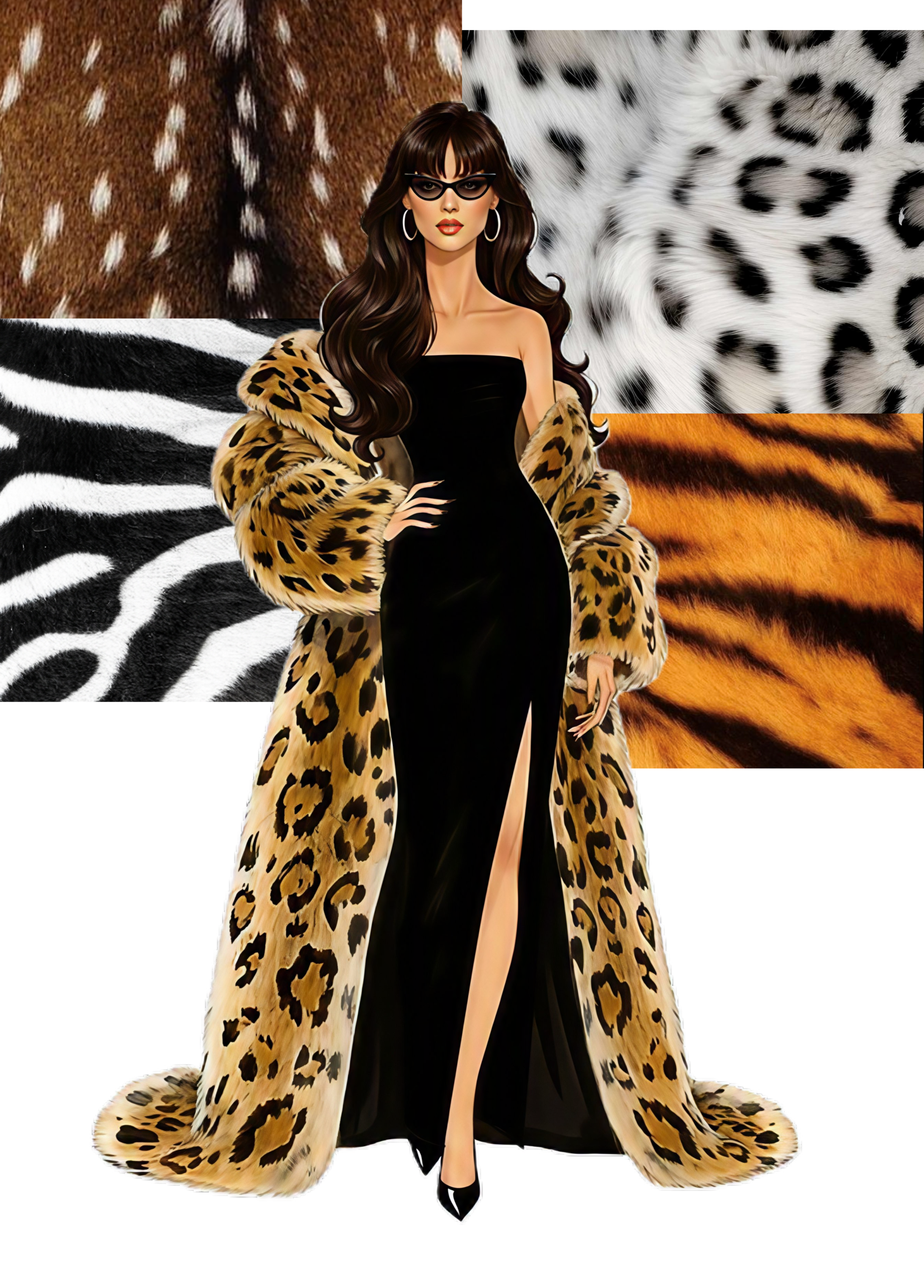
Sometimes it’s exactly what you’re after. Other times, you deliberately want drama. Imagine light blonde hair, a bold red lip, and an all-black outfit. Is that harmonious? Not particularly. Is it a look? Absolutely. Those two things can exist at the same time.
I think this is where many people accidentally merge two completely different ideas into one. Harmony and style are not synonyms. Seasonal colour analysis can tell you what harmonises with your features, but it cannot tell you what your personal style should be. That’s a choice only you get to make.
A Necessary Variable
Black is a particularly interesting topic in colour analysis. There are definitely colours I avoid shopping for knowing I’m a Summer (I’m looking at you mustard), but black isn’t one of them.
In fact, I’d argue black is practically impossible to get rid of. It is one of the easiest colours to shop for and exists in every wardrobe for good reason. It’s practical. It’s reliable. It’s incredibly easy to match.
Finding two black garments that work together is almost effortless. Finding two garments in exactly the same cool charcoal or muted navy? Practically impossible.
Fashion doesn’t exist in a vacuum either. Sometimes work requires black. Sometimes formal events, dinners, or weddings call for black. Sometimes you simply like wearing black. All perfectly valid reasons.
Seasonal colour analysis should adapt to real life—not the other way around.
Knowledge Is Power
Ironically, discovering that black isn’t your most harmonious colour doesn’t make black less useful. It makes it more useful. Because now you know what you’re working with. Instead of accidentally wondering why an all-black outfit sometimes feels slightly heavy, severe, or draining, you can start making intentional styling decisions.
You stop asking,
Can I wear black?
—and start asking,
How can I make black work for me?
Those are two completely different questions. The first assumes colour analysis is a cage. The second treats it as a styling tool.
And that’s exactly what it is.
Now, let’s look at how to actually do that.
Styling Summer
Every suggestion below comes from the same place: observation. I didn’t arrive at these ideas by reading a rulebook—I arrived at them by getting dressed, looking in the mirror, taking photos, and slowly noticing what consistently worked for me and what didn’t.
They’re by no means all-or-nothing. Pick what resonates, ignore what doesn’t, and most importantly, wear black if you want to wear black!
Show Some Skin
If I had to pick one tip above all others, it would be this.
Most of the disharmony created by wearing a colour outside your season happens around the face. That’s where colour analysis lives.
The further you can physically move the black away from your face, the less overwhelming it becomes.
Personally, I tend to avoid black tops that completely close off the neck and chest, like high necks or turtlenecks. Instead, I reach for necklines that create a bit of breathing room.
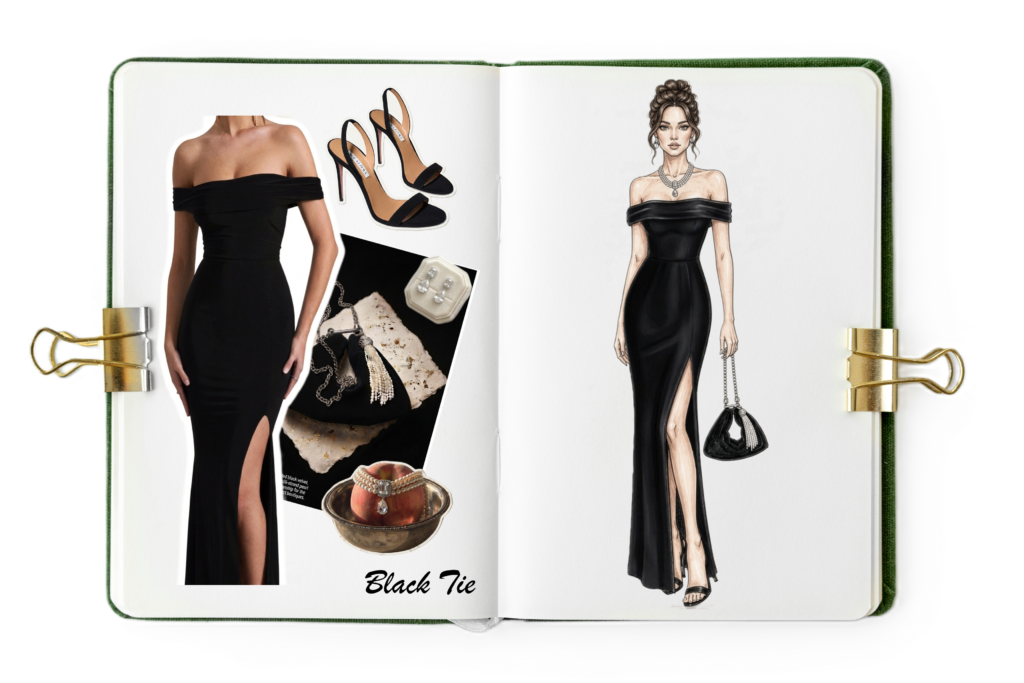
Strapless tops, sweetheart necklines, deep V-necks, square necks
—anything that lets a little more skin separate my face from the black.
One-shoulder asymmetrical silhouettes are another favourite of mine. They still give you the elegance of wearing black, but because there is physically less black surrounding your face, the whole look feels balanced and intentional.
BREAK UP THE BLACK
Not all black fabrics behave the same.
One thing I started noticing is that very flat, matte black fabrics tend to feel the heaviest on me. They absorb light, creating one uninterrupted block of black, which only exaggerates the disconnect between the garment and my colouring.
Whenever I shop for evening dresses, I now gravitate towards fabrics with a little life in them.
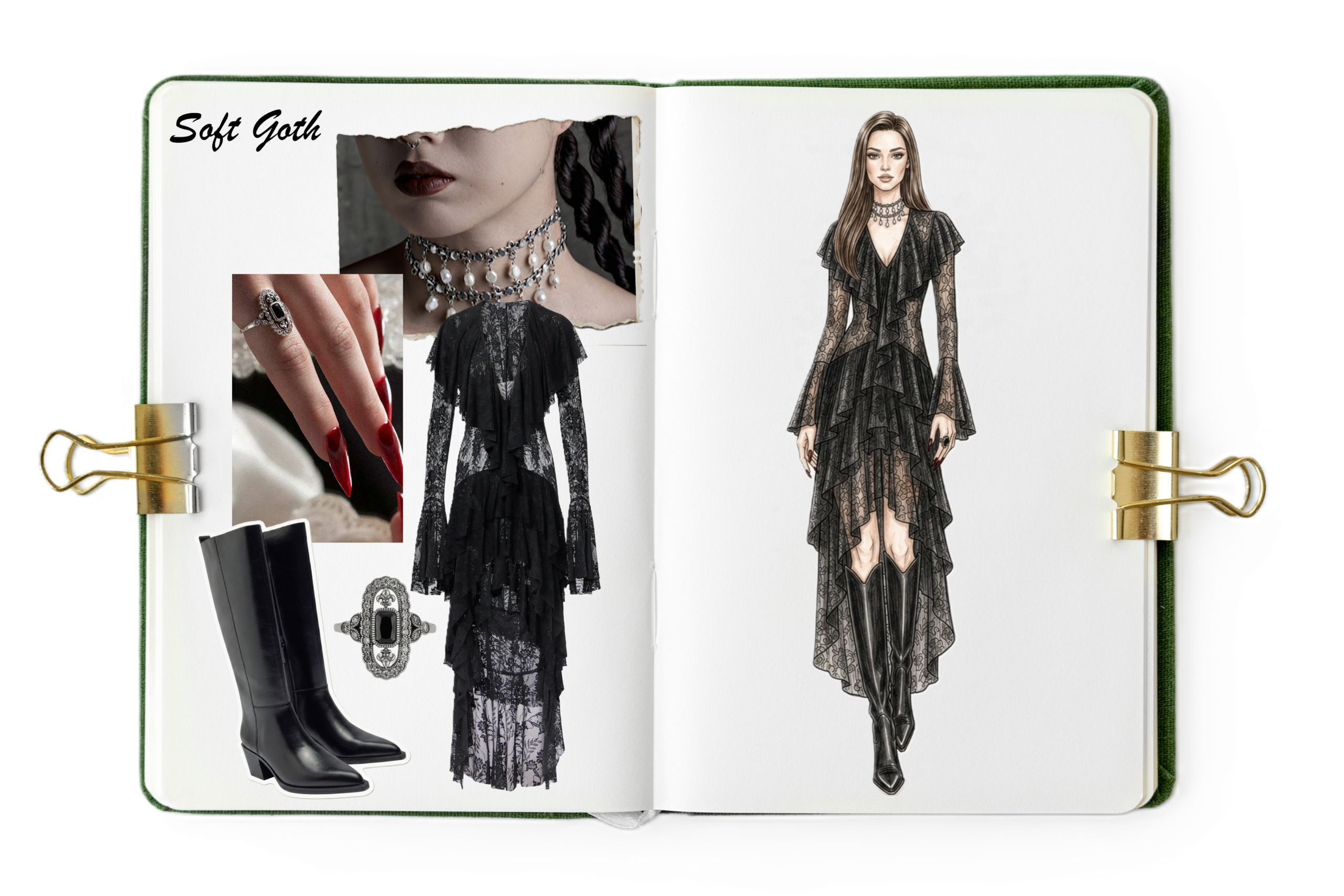
Satin, silk, velvet, lace
—anything with a slight sheen catches and reflects light, softening the appearance of black without changing its colour.
One of my favourite black dresses has tiny silver flecks woven through the fabric. Technically, it’s still a black dress. But because those little reflective details constantly interrupt the solid black surface, it feels much lighter to wear.
Mesh is another trick I’ve accidentally fallen in love with. A black mesh overlay gives the illusion of wearing black while literally containing less black. Skin peeks through, the fabric feels lighter, and the overall effect is much softer than an opaque black garment.
You don’t have to replace black
—you just have to stop letting it exist as one giant uninterrupted block.
THINK OUTSIDE THE BOX
A friend of mine has a very strict styling rule. Black only pairs with black. Period. Me, on the other hand? I like to stir trouble, as always.
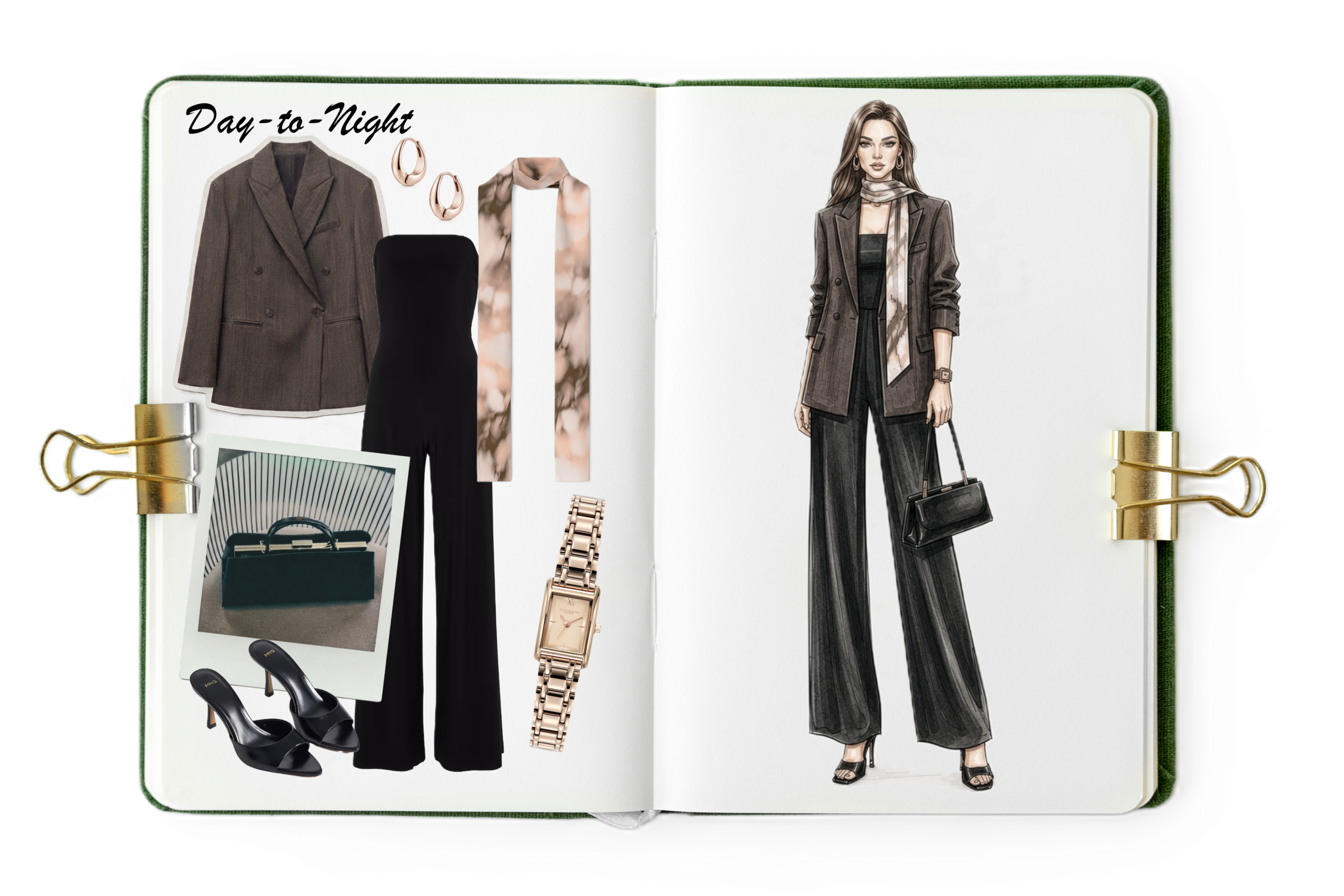
An absolute favourite combination of mine is black and brown. Sending my friend and many fashion critics into a coma.
I never understood the “rule” about why those two shouldn’t go together. Who made that up, and what’s their evidence? Please cite your references!
I probably have a handful of items in my closet that have a black and brown pattern. It has always worked for me. Both colours are neutrals, and together they create a good base that is easy to build on and keep versatile. I can switch up my footwear and accessories depending on the mood. Black boots or brown boots? No problem. Both match!
Writing this post, I think I finally came up with a scientific explanation for why I have always loved brown and black together.
When paired together, brown softens up the black!
Deep brown, especially, complements the darkness of black while adding a touch of softness. The combination still reads as dark overall, but the heaviness is dialled down just a notch. And that can make a big difference for lower-contrast seasons.
Take-home message?
An outfit doesn’t have to be all black.
Frame the black in a way that works for you!
PULL THE HAIR BACK
This was probably my biggest revelation. Over time, I realised the biggest giveaway that I’m muted isn’t actually my skin — it’s my hair.
Against solid black, especially when the neckline sits high, my soft ash-brown hair suddenly looks incredibly muted. The contrast becomes so obvious that it’s almost the first thing I notice. Ironically, the easiest fix requires almost no effort.
A sleek bun, a high ponytail,
or any hairstyle that pulls the hair away from the face instantly reduces that visual clash. With less muted hair framing the black, the outfit suddenly feels much more intentional.
Sometimes removing the thing that’s creating the strongest contrast is all it takes.
PLAY WITH MAKEUP
If the outfit is already leaning dramatic, I find it helps to commit to it.
A smoky eye or a grungier makeup look (think soft greige or cool brown rather than black) balances black beautifully because the makeup shares some of the visual weight with the outfit. The black no longer has to do all the heavy lifting.
If that’s not your style, I tend to do the opposite: keep the face fresh and relatively
minimal, add a touch of highlighter to the inner corners of the eyes (or anywhere and everywhere you like), and choose a slightly bolder lip colour—but one that still belongs to my own palette rather than competing with it.
This look can trick the eye into perceiving your face as brighter, helping it keep up with the heavy contrast of the black. The goal isn’t necessarily to add more colour. It’s to stop black from being the only thing your eye notices.
ACCESSORIZE
Silver jewellery is probably the easiest styling trick on this entire list.
Statement silver earrings or a necklace do two things at once. They reinforce the coolness in your colouring, helping your face stay connected to the outfit, while also interrupting
the solid black with another visual element. Instead of your eye travelling straight from your face into a wall of black, it has somewhere else to land first.
It’s a tiny detail, but it’s often enough to pull the whole outfit together.